
You Don’t Need a Degree to Succeed in Real Estate Photography
There’s a strange psychological barrier many people carry when considering a new career:
“Do I need a degree for this?”
It’s such a deeply ingrained belief that we often don’t even question it. For decades, we’ve been told that credibility, competence, and income are tied to formal education.
But real estate photography operates in a very different reality.
You don’t need a degree.
Not in photography.
Not in business.
Not in anything.
Because this industry doesn’t reward academic credentials.
It rewards results.
Real estate agents are not asking about your educational background. They’re not evaluating diplomas, transcripts, or certifications hanging on your wall.
They’re asking something far simpler:
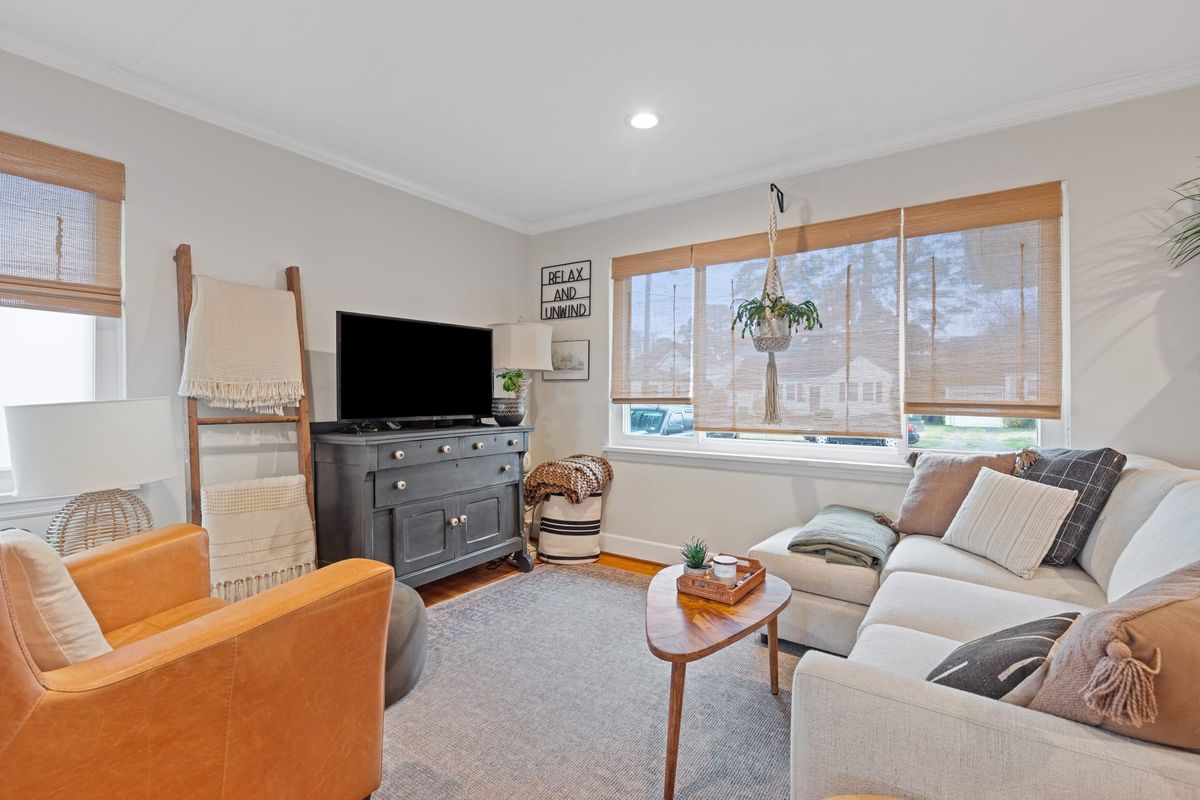
Do the photos look clean and professional?
Are you reliable?
Is your turnaround time fast?
Are you easy to work with?
That’s the entire decision framework.
Real estate photography is a skill-based service business. It lives in the world of technical execution, consistency, and professionalism — not academic theory.
No client has ever said:
"I love these photos, but where did you go to school?"
Because buyers don’t see degrees.
They see images.
Unlike many traditional career paths, REP has a refreshingly direct relationship between ability and income. If you can produce bright, clean, technically correct images that help listings perform well, you are economically valuable.
Regardless of your educational history.
This is one of the reasons the industry attracts such a wide range of people:
Former teachers
Former office workers
Former stay-at-home parents
Former corporate employees
Self-taught creatives
Career changers
No gatekeeping through formal education.
No institutional barriers.
No waiting years to become “qualified.”
Everything you need to succeed can be learned through practice, repetition, and targeted skill development. Composition, lighting control, perspective management, editing consistency — these are practical competencies, not academic disciplines.
And clients ultimately care about outcomes, not résumés.
In fact, many successful photographers never studied photography formally. They built careers by learning the specific skills their market demanded.
Because real estate photography doesn’t care how you learned.
Only that you can deliver.
The belief that a degree is required often becomes just another form of hesitation. Another invisible rule people assume exists.
But in REP, credibility isn’t granted by institutions.
It’s earned through performance.
And that path is open to anyone willing to learn and take action.
So many people are interested in real estate photography but don’t know where to start —
When I first tried to learn, I kept quitting because nothing was clicking. Once I had proper training, everything finally made sense. That experience is what led me to create this guide.
Not everyone can invest in mentorship, so I took everything I learned and broke it down into a simple, affordable Canva presentation. It’s designed to show you exactly what to do, step by step, so you can understand the skill, feel confident, and start booking clients as quickly as possible.
So many people are interested in real estate photography but don’t know where to start —
What other people have said about the guide:
✩ Easy to follow along
✩ Everything is laid out in a clear, digestible way.
✩ The guide didn’t overwhelm me with jargon or unnecessary details, just straightforward, practical information.
✩ This guide was really affordable and super valuable. After reading through it, I felt ready to jump right into real estate photography with the knowledge I needed.
✩ Anyone that wants to take themselves seriously as a real estate photographer shouldn't hesitate to invest in their business with this guide!
✩ This guide has been SO helpful in learning the ins and outs of real estate photography! It’s a great investment for what’s inside. This guide simplified some things that I thought would be complicated.