
You Don’t Need Expensive Gear to Start Real Estate Photography
et’s address one of the most persistent myths in photography:
“I need better gear before I can start.”
This belief sounds logical. Cameras are expensive. Lenses are expensive. Lighting equipment is expensive. It’s easy to assume that professional results require a professional-level investment from day one.
But in real estate photography, this mindset delays more careers than bad cameras ever have.
Because you don’t need expensive gear to start.
You need adequate gear.
And there’s a huge difference.
Real estate photography is not about chasing cinematic perfection or razor-thin depth of field. The core objective is much simpler:
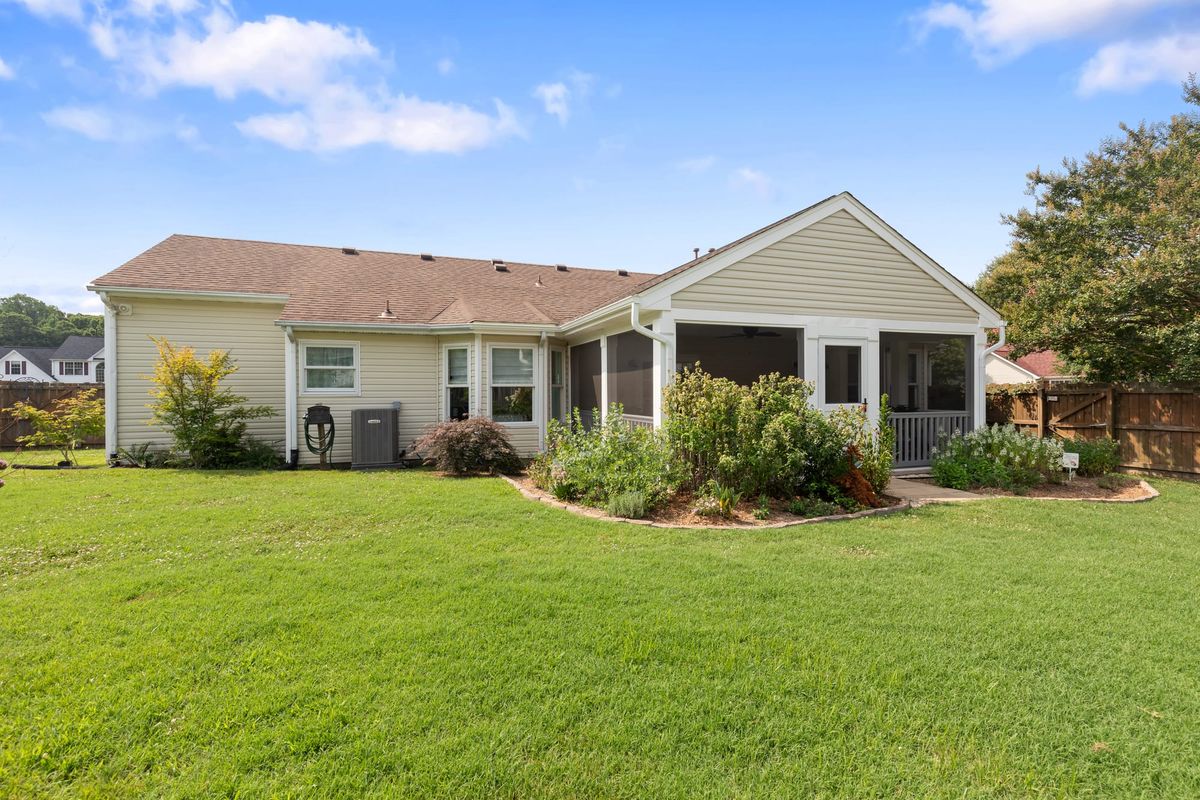
Clean, bright, accurate images.
Modern entry-level cameras are already incredibly capable. Even older DSLR models, budget-friendly mirrorless bodies, and basic wide-angle lenses can produce results that meet — and often exceed — what agents need.
Clients are not zooming into your metadata.
They’re asking:
Do the rooms look bright?
Are the lines straight?
Does the space look clean and inviting?
That’s the bar.
Beginners often assume professionals succeed because they own expensive equipment.
In reality, professionals invest in expensive equipment because they’re already succeeding.
Income funds upgrades — not the other way around.
Waiting to buy premium gear before booking work is like refusing to start a business until you own a luxury office. It feels responsible, but it reverses the natural order of growth.
In REP, technique consistently outweighs technology.
Understanding composition matters more than camera price.
Proper exposure matters more than sensor size.
Straight vertical lines matter more than lens cost.
A photographer with modest gear and strong fundamentals will outperform someone with elite gear and weak technique every time.
And here’s something even more important:
Your first clients are not expecting architectural-magazine perfection.
They’re expecting clean, professional listing photos.
There is a massive gap between “usable professional work” and “high-end luxury production.” Beginners often confuse the two and assume they must immediately operate at the top tier.
You don’t.
You build toward it.
Start with gear that is functional, reliable, and capable of producing sharp, well-exposed images. Learn lighting control. Learn perspective correction. Learn consistency.
Upgrades come naturally with revenue.
Because in real estate photography, expensive gear is a performance enhancer — not an entry requirement.
And believing otherwise is one of the most expensive delays beginners impose on themselves.
So many people are interested in real estate photography but don’t know where to start —
When I first tried to learn, I kept quitting because nothing was clicking. Once I had proper training, everything finally made sense. That experience is what led me to create this guide.
Not everyone can invest in mentorship, so I took everything I learned and broke it down into a simple, affordable Canva presentation. It’s designed to show you exactly what to do, step by step, so you can understand the skill, feel confident, and start booking clients as quickly as possible.
So many people are interested in real estate photography but don’t know where to start —
What other people have said about the guide:
✩ Easy to follow along
✩ Everything is laid out in a clear, digestible way.
✩ The guide didn’t overwhelm me with jargon or unnecessary details, just straightforward, practical information.
✩ This guide was really affordable and super valuable. After reading through it, I felt ready to jump right into real estate photography with the knowledge I needed.
✩ Anyone that wants to take themselves seriously as a real estate photographer shouldn't hesitate to invest in their business with this guide!
✩ This guide has been SO helpful in learning the ins and outs of real estate photography! It’s a great investment for what’s inside. This guide simplified some things that I thought would be complicated.